
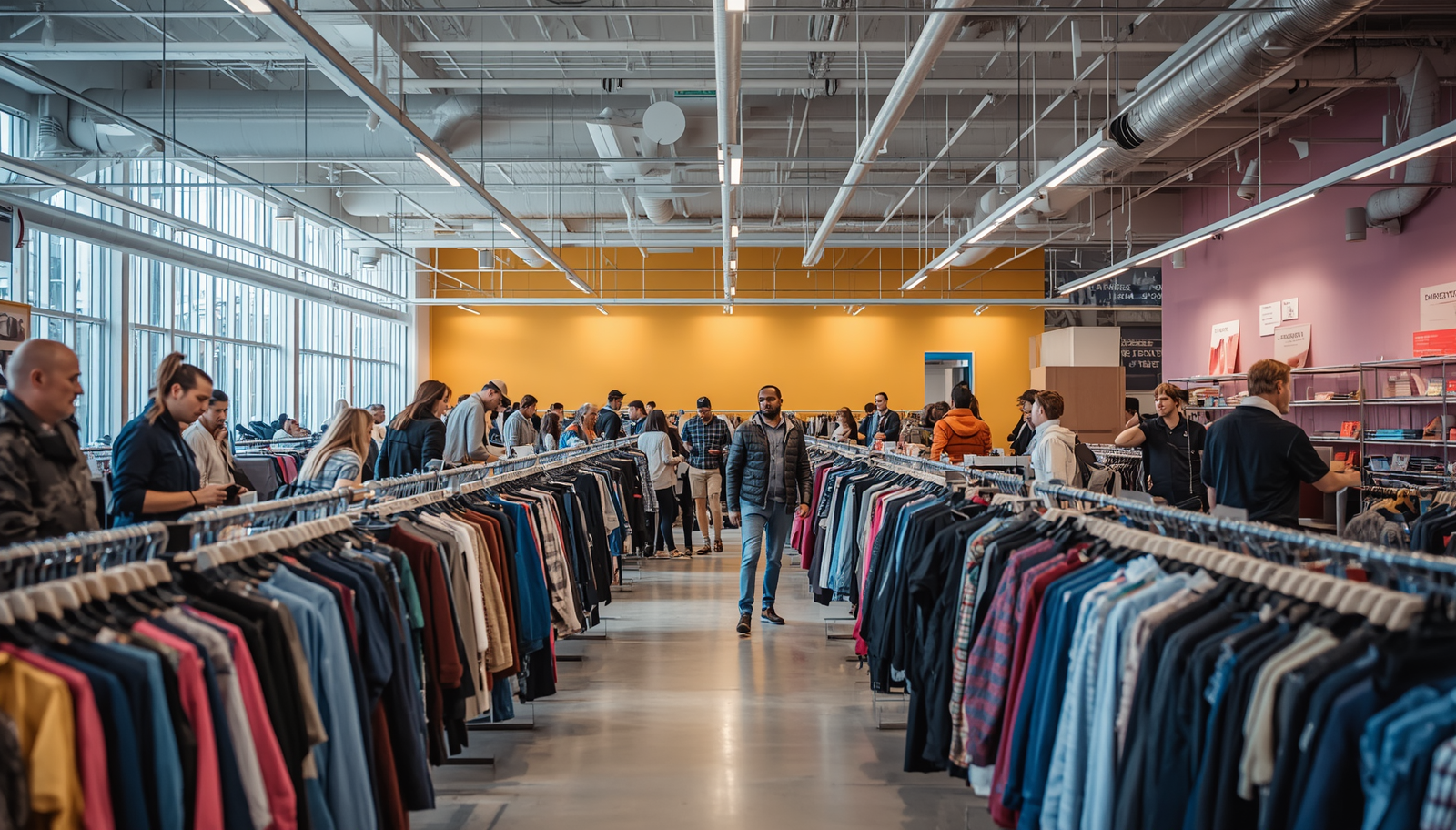
The Resale Boom Is Here: Is Your Consignment Store Ready to Capture It?
Consignment store owners have spent years defending their model to skeptics. That time is over. The numbers are now impossible to ignore, and the stores that act on them now will define the next decade of resale retail.
According to Capital One Shopping’s 2026 Thrifting Statistics report, the U.S. secondhand market is now worth $61 billion, up 8.2% from 2025 alone, and is projected to reach $74 billion by 2029. Foot traffic at thrift and consignment stores climbed 25.6% between 2022 and the end of 2025, while traffic to traditional retailers declined by 7.8% over the same period.
This is not a blip. Resale is taking direct market share from traditional retail, driven by economic pressure, sustainability values, and a generation of shoppers who see secondhand as the smart choice, not the last resort.
Why now is a critical window for independent consignment stores?
The growth is real, but it is not evenly distributed. Large online platforms: ThredUp, Poshmark, The RealReal are investing millions to capture digital-first buyers.
Independent brick-and-mortar consignment stores are sitting on loyal customer bases and curated inventory, but risk being left behind if they do not establish an online presence and operational efficiency to match.
Three forces are pushing buyers toward secondhand right now:
- Inflation and tariffs : 59% of consumers say tariff pressures will push them toward secondhand options, rising to 69% among Millennials.
- Sustainability : circular fashion is no longer niche; it is mainstream consumer identity, especially for Gen Z and Millennial shoppers with growing purchasing power.
- Value perception shift : 72% of consumers surveyed in ThredUp’s 2026 report said rising prices are impacting their apparel spending, and more are looking at consignment as their primary destination, not a backup.
What separates thriving stores from struggling ones?
The consignment stores growing fastest right now share a common trait: they operate as both physical retail destinations and online storefronts. They accept consignors remotely, process inventory efficiently, and sell across multiple channels without adding headcount.
The National Association of Resale Professionals (NARTS) notes that there are more than 25,000 resale and consignment shops in the U.S. and the ones that survive that critical first year are almost always those that invested in education and operational systems before opening or scaling.
Operational efficiency is the real differentiator. That means fast item intake, accurate consignor payouts, real-time inventory visibility, and a seamless online sales channel, none of which are achievable with spreadsheets and manual processes at any real volume.
How Aravenda helps you claim your share of the boom
Aravenda was built specifically for consignment store owners ready to scale. It combines inventory management, consignor portals, automated payouts, and full Shopify and Clover integration, so your store operates online and in-store from a single system.
Learn more about how Aravenda’s platform features are designed for exactly this moment.